AGP Executive Report
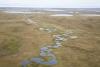
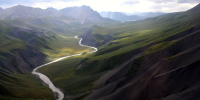
Last update: 10 hours agoPermafrost Research: Alaska’s seismic network logged about 600 earthquakes last week, while visiting researchers placed roughly 100 sensors near Denali to track how thawing ground moves stored carbon into waterways. Weather Modification: The Kenai Peninsula Borough adopted permit rules for cloud seeding, requiring applicants to disclose chemicals, flights and project duration after a company seeded clouds over the area this summer. Arctic Technology: Alaska’s HAARP site is being used to test new Air Force over-the-horizon radar technology. Thawing Ground: Researchers warn that permafrost loss is making Alaska hillsides more vulnerable to erosion, a growing concern for communities and infrastructure.
Note: AI summary from news headlines; neutral sources weighted more to help reduce bias in the result. Feedback is welcome. Please let us know if you have any comments or suggestions about the AGP Executive Report.

 Perspectify News






 Pseudo-journalism: Pink-slime